fajsdfjash ddsa dsa as sa sad sda sadfjsadjfl jsadjk fjasdlkfjaskdfdklsaj klf
jsadj asjdklj falsdjf
jaklj


EN
Andi Seabeck is a seasoned sales solution specialist with 20 years of experience in commercial and industrial settings. Andi received her bachelor’s degree from Oklahoma State University in Business Administration. Andi has won numerous awards throughout her sales history including, Presidents, Summit, Emerging Talent, Platinum, Rookie of the Year, and Diamond. She attributes this success to her ability to go beyond transactional selling and to listen and learn what the true need of the customer is.
Mobile: 918-927-1593
Email: aseabeck@camcode.com










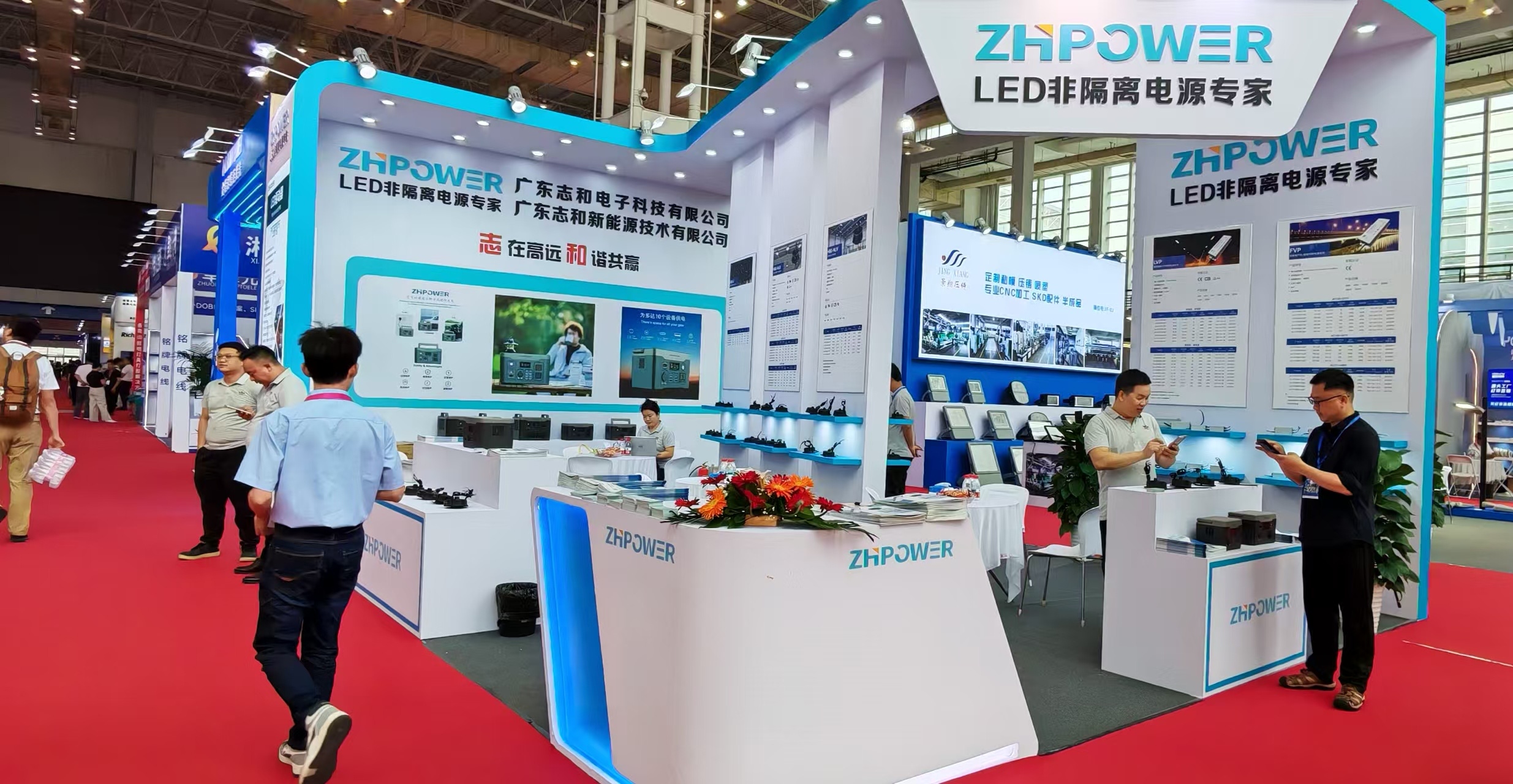
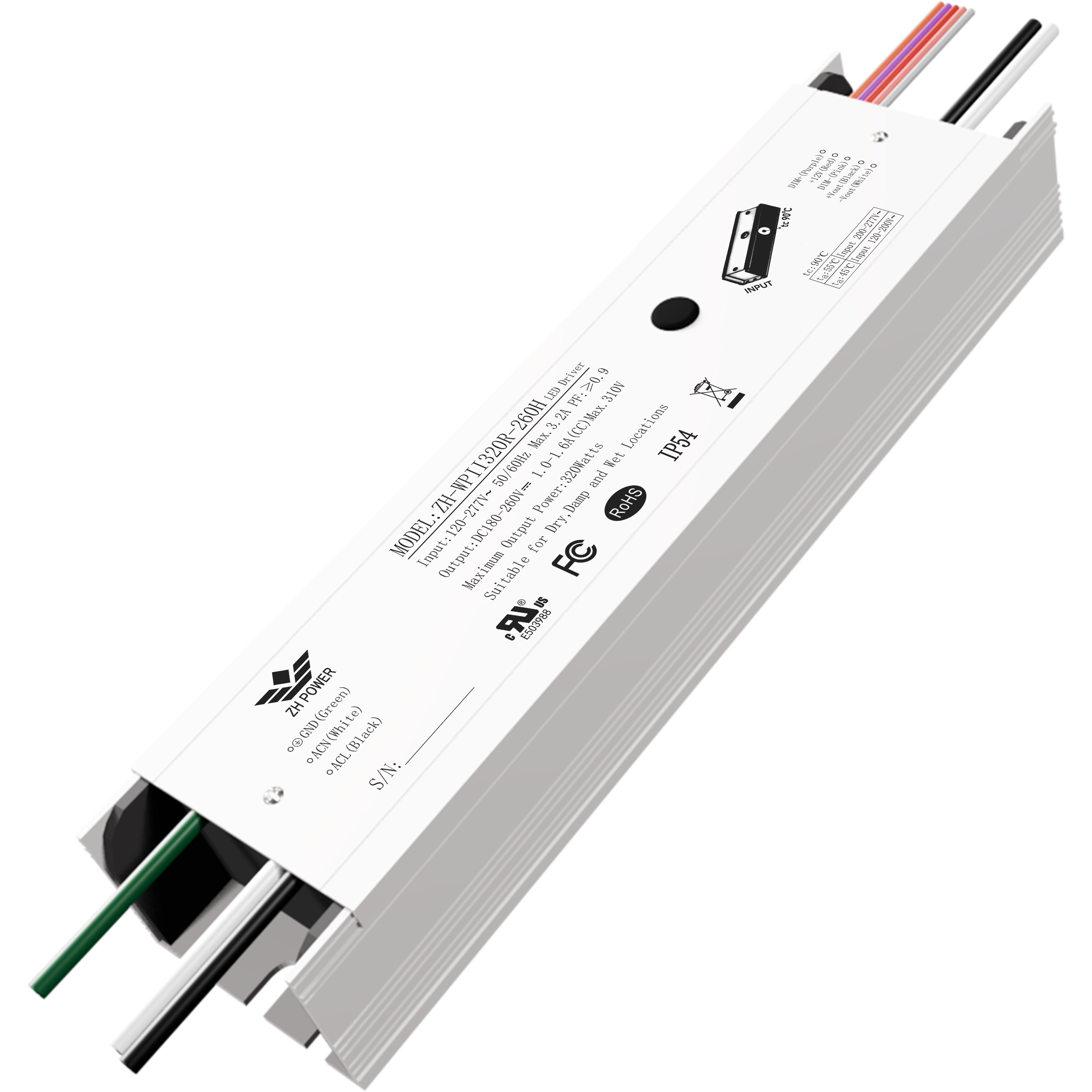
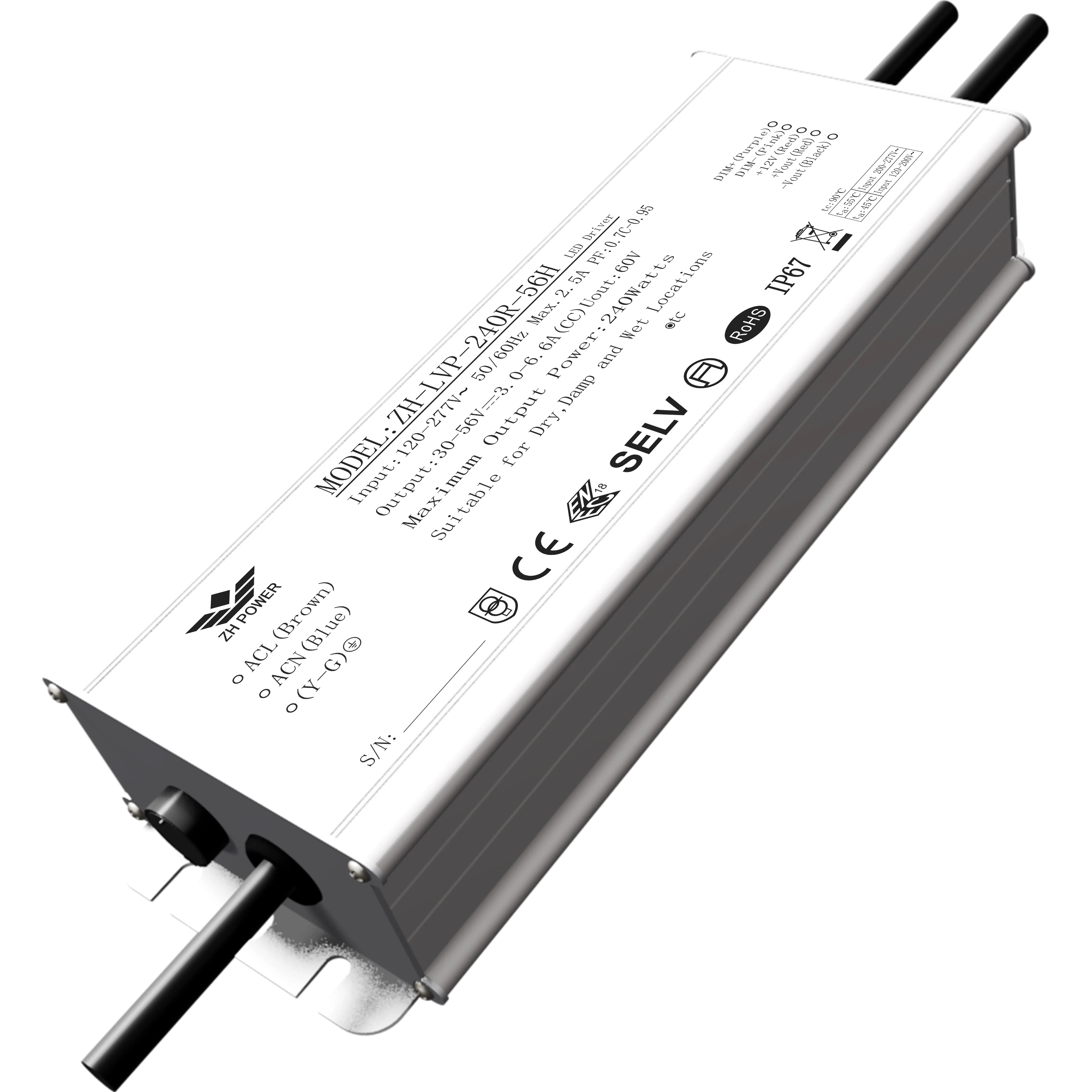
The 2026 Ningbo International Lighting Exhibition was held at Ningbo International Convention and Exhibition Center from May 13 to 15, 2026. The exhibition gathered thousands of lighting industrial brands worldwide and attracted professional buyers from various countries. Guangdong Zhihe Electronic Technology Co., Ltd. (ZHPOWER) showcased our full range of LED waterproof power supplies, energy storage drivers and horticulture lighting power supplies at Booth 3E-02. We won wide recognition for our comprehensive product portfolio and reliable quality, marking a successful exhibition trip.Founded in 2014, ZHPOWER has focused on the R&D and manufacturing of LED power supplies for more than a decade. We operate under ISO9001 quality management system, with an annual shipment volume exceeding 5 million units. Our products are certified with UL, CE, CB and other global standard certificates, sold to markets across the world.At this exhibition, our star HBG-NLIII & HBG-NLIV UFO high bay power supplies drew major attention. Featuring high efficiency, flicker-free output, IP65 waterproof rating and 5-year warranty, they support dimming and adjustable power & color temperature with outstanding cost performance. We also displayed LVN street light drivers, LVP tunnel power supplies, HBG-C economical drivers, as well as isolated LVP & non-isolated FVP high-power power supplies for horticulture & stadium lighting. Power ranges from 400W to 1500W with peak efficiency up to 95%, ideal for plant grow lights and professional venue lighting. Our complete product lineup fully demonstrates our strong R&D and manufacturing capacity.Our booth maintained steady high traffic throughout the show, welcoming new and long-term clients from Southeast Asia, Europe, America, the Middle East and other regions. Existing partners visited to discuss long-term bulk supply cooperation, while overseas buyers held in-depth talks with our technical team about wide voltage, high voltage input, intelligent dimming and customized horticulture lighting solutions. Adhering to the core value "Quality First, Customer Oriented", our professional technical support and stable products gained high trust from all visitors, with multiple sample orders and bulk purchase intentions signed on site.This exhibition further expands ZHPOWER’s global sales channels. Moving forward, we will keep increasing investment in R&D to upgrade high-efficiency, high-wattage and intelligent LED drivers. With a 5-year quality warranty and one-stop OEM/ODM supporting service, we will keep delivering stable, premium power supply solutions for industrial, municipal and horticulture lighting clients worldwide,striving to become a leading brand in the global LED driver industry.
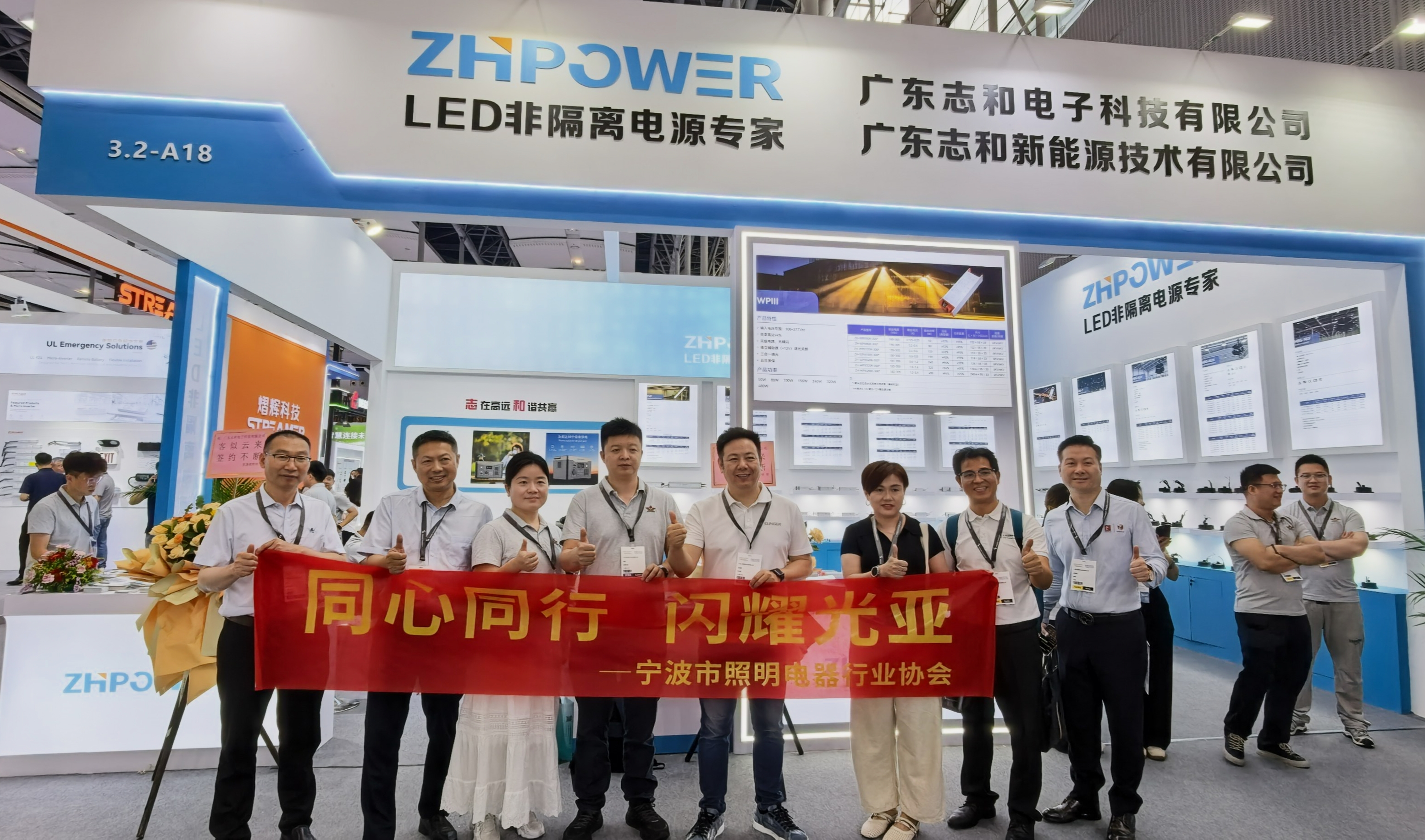
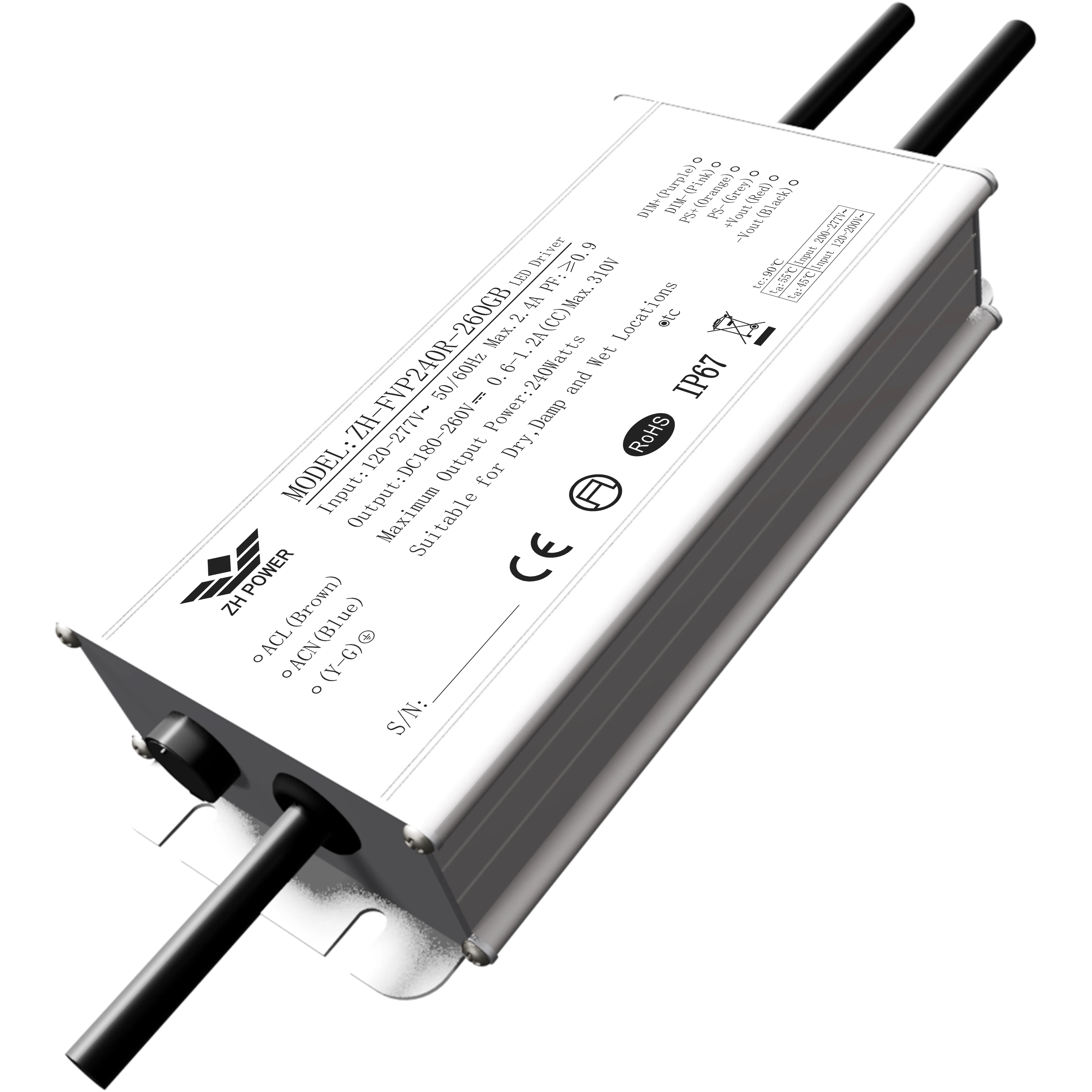
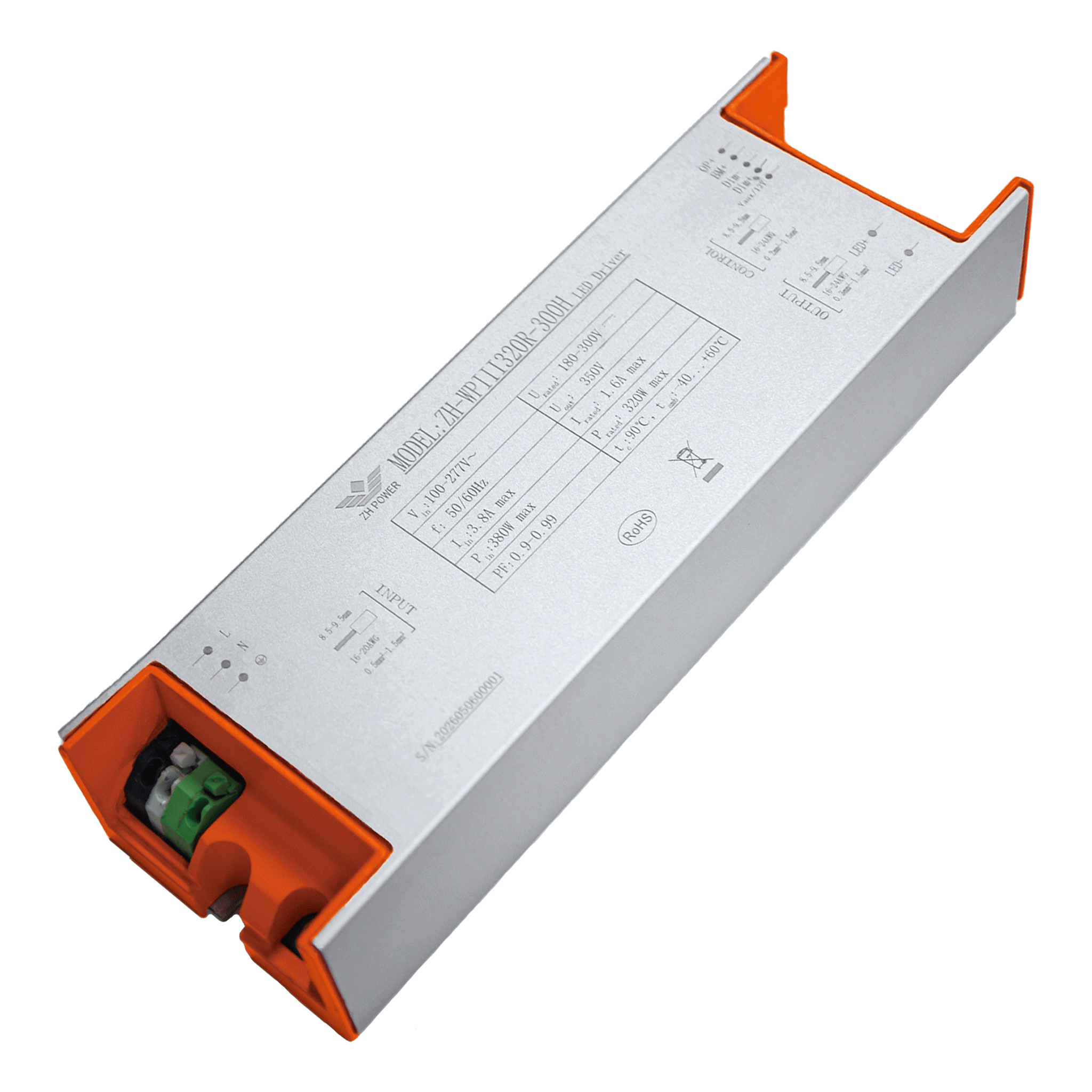
New Product Debut at GILE | ZHPOWER Demonstrates One-Stop Intelligent Power Supply Manufacturing StrengthFrom June 9 to 12, 2026, the 31st Guangzhou International Lighting Exhibition grandly opened at the Canton Fair Complex. Guangdong Zhihe Electronic Technology Co., Ltd. showcased its full lineup of mature LED driver power supplies and the brand-new WPIII terminal-type programmable power supply at Booth A18, Hall 3.2. Taking advantage of this world-class exhibition platform, we presented our technological innovations and large-scale manufacturing capacity to global buyers, while exploring cooperation opportunities for lighting projects at home and abroad.The star exhibit at our booth was the newly launched WPIII terminal-type programmable outdoor waterproof power supply, which drew widespread attention during the show. Featuring user-friendly terminal wiring design, this new product supports 100~277Vac wide voltage input, adopts a two-stage flicker-free circuit and independent 12V auxiliary dimming function, and covers power ratings from 50W to 480W. Its programmable dimming solution perfectly meets the upgrading requirements of smart lighting systems.Our complete product portfolio covers full application scenarios including industrial & mining lighting, municipal lighting and horticultural lighting. All power supplies across the full power range deliver high conversion efficiency, multi-grade waterproof and lightning protection, as well as 3-in-1 dimming functions. All products hold a full set of international safety certifications such as UL, CE and CB, and come with a unified 5-year warranty. We offer flexible OEM and ODM customization services to quickly satisfy differentiated project demands from customers. Our booth was packed with visitors throughout the exhibition, and numerous domestic and overseas clients reached cooperation intentions for sample testing and bulk purchases.Founded in 2014, Guangdong Zhihe Electronic has built an automated intelligent manufacturing base under the ISO9001 full-process quality control system, with an annual production capacity of over 5 million power supplies and business presence across the globe. We adhere to the corporate philosophy of “Aspire High, Win-Win Harmony”. Internally, we value employee development and foster a stable, professional team integrating R&D, production and sales. Externally, we fully listen to customers’ actual demands, and have earned recognition from the industry, clients and our staff through reliable products, efficient delivery and long-term after-sales support.This exhibition served as a comprehensive showcase of our innovation strength. Moving forward, Zhihe Electronic will continue to focus on high-efficiency smart lighting power supplies. We will empower the global lighting industry with meticulous manufacturing, and collaborate with all industry partners to build a green, win-win lighting supply chain ecosystem.


Floor 12, Building S8, Tian`an Digital City, Dongshen Road, Fenggang Town, Dongguan, Guangdong, China

+86 18566662362

sales@zh-leddriver.com
Copyright © 2025 Guangdong Zhihe Electronics Technology Co., Ltd. All Rights Reserved


